
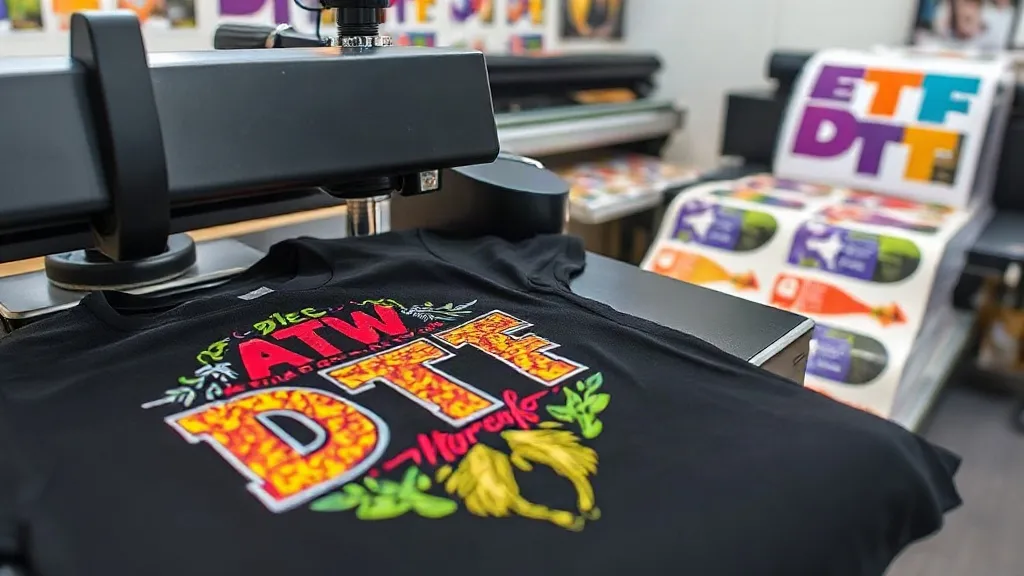
When you first dive into the world of custom apparel, the sheer number of printing methods can feel overwhelming. Screen printing, heat transfer vinyl, sublimation, and of course, dtf transfers. Each has its place, but direct-to-film has rapidly become a favorite for small businesses and solo entrepreneurs who need vibrant, durable prints without the setup costs of screen printing. In this guide, we'll walk through everything you need to know about DTF transfers, from selecting the right supplies to applying them like a pro and scaling your operation. Whether you're just starting out or looking to refine your process, these insights will help you get the most out of your DTF printer.
What Are DTF Transfers and Why They Matter
DTF stands for direct-to-film. The process involves printing your design onto a special film, coating it with adhesive powder, and then heat-pressing it onto fabric. Unlike DTG (direct-to-garment), DTF works on a wide range of materials, including cotton, polyester, blends, and even some nylons. This versatility is a game-changer for shops that want to offer diverse products without investing in multiple printing setups. Plus, DTF prints are known for their stretchability and wash durability, making them ideal for activewear and everyday tees.
The DTF Workflow at a Glance
Here's a quick overview of the DTF process: design your artwork, print it onto DTF film using a DTF printer with pigment inks, apply adhesive powder while the ink is still wet, cure the powder with a heat gun or oven, and finally heat-press the film onto your garment. Once cooled, peel the film away to reveal a bright, flexible print. It sounds simple, but each step has nuances that affect the final quality. We'll dig into those details shortly.
Choosing the Right DTF Transfers for Your Needs
Not all DTF transfers are created equal. The quality of your film, ink, and powder can make or break your prints. When sourcing dtf supplies, consider the following factors:
- Film Type: Cold-peel vs. hot-peel films. Cold-peel is more forgiving for beginners, while hot-peel can speed up production.
- Ink Quality: Look for pigment inks that are vibrant and resistant to fading.
- Powder: Adhesive powder comes in different mesh sizes; finer powder gives a softer hand feel.
- Supplier Reputation: Read reviews and test samples before committing to bulk orders.
If you're searching for dtf transfers near me, you're likely looking for a local supplier who can provide quick turnaround and support. While online suppliers are plentiful, having a local resource can be invaluable for last-minute needs and troubleshooting.
Understanding Transfer Quality
High-quality transfers should have sharp details, vibrant colors, and a soft hand feel. They should also stretch without cracking and withstand multiple washes. When evaluating a supplier, ask for samples and test them yourself. Print a complex design with gradients and fine lines to see how well the transfer holds up. A good transfer will maintain its integrity even after repeated stretching and washing.
Applying DTF Transfers: Step-by-Step
Proper application is critical to achieving professional results. Here's a detailed guide to applying DTF transfers:
- Prepress the Garment: This removes moisture and wrinkles, ensuring a smooth surface. Set your heat press to 300-320°F (150-160°C) and press for 5-10 seconds.
- Position the Transfer: Place the transfer film on the garment with the printed side facing up. Use heat-resistant tape if needed to keep it in place.
- Press: Apply medium pressure for 15-20 seconds. The exact time depends on your press and the film type.
- Peel: For cold-peel, wait until the film is completely cool before peeling. For hot-peel, peel immediately while hot.
- Post-Press: For added durability, cover the print with a Teflon sheet or parchment paper and press for another 5-10 seconds.
Always follow the manufacturer's recommendations for temperature and time, as these can vary. It's also wise to do a test press on a scrap piece of fabric before committing to a final garment.
Scaling Your DTF Operation
Once you've mastered the basics, you might be thinking about scaling up. Here's how to do it efficiently:
- Invest in a Reliable Printer: A dedicated DTF printer with a roll feeder and powder shaker can significantly increase throughput.
- Use Gangsheets: Combine multiple designs onto a single sheet to maximize film usage and reduce waste.
- Standardize Your Process: Create checklists and SOPs for each step to ensure consistency across operators.
- Batch Production: Group similar jobs together to minimize setup time and streamline workflow.
- Quality Control: Implement a QC checkpoint to catch defects early and avoid costly returns.
Scaling also means building relationships with reliable suppliers. Establishing a good rapport with your dtf film and powder provider can lead to better pricing and priority support when you need it most.
Common Pitfalls to Avoid
Even experienced printers run into issues. Here are a few common mistakes and how to fix them:
- Insufficient Pressure: Results in poor adhesion. Increase pressure and ensure your press is calibrated.
- Too Much Heat: Can cause the film to curl or the ink to bleed. Stick to recommended temperatures.
- Peeling Too Early: For cold-peel, patience is key. Peeling while hot can distort the design.
- Ignoring Fabric Type: Some fabrics require adjusted settings. Always test on a swatch.
By being mindful of these pitfalls, you'll save time and materials.
Frequently Asked Questions About DTF Transfers
How long do DTF transfers last?
When applied correctly, DTF transfers can last as long as the garment itself, often 50+ washes without significant fading or cracking.
Can I use DTF transfers on dark shirts?
Absolutely. DTF transfers include a white ink base that makes colors pop on dark fabrics, unlike DTG which may require a pretreat.
What's the difference between DTF and DTG?
DTF uses a film transfer and works on more fabric types, while DTG prints directly onto the garment, primarily cotton. DTF generally offers better durability on blends.
Do I need a special printer for DTF?
Yes, DTF requires a printer that uses DTF pigment inks and can handle DTF film. Some modified inkjet printers can be used, but dedicated DTF printers are recommended for consistency.
How do I store DTF transfers?
Store unused transfers in a cool, dry place away from direct sunlight. Keep them flat to avoid creasing.
Final Thoughts
DTF transfers offer a versatile, durable, and cost-effective way to create custom apparel. By choosing quality supplies, mastering application techniques, and streamlining your workflow, you can build a profitable business around this technology. Remember to test, iterate, and always keep learning. For more resources and to explore DTF transfer options, check out dtf solutions that can help you succeed.