
Most print shops don't lose money on the big decisions. They lose it on the small ones: a film that peels at the edge, a gangsheet with dead space in the corner, a reprint because the color shifted between the sample and the production run. Custom DTF transfers reward planning more than almost any other decoration method, and the shops that treat layout and material choice as seriously as they treat their press settings are the ones who keep their margins intact.
This guide walks through what actually matters when you build a DTF gangsheet, how to think about garment choice alongside it, and where a reliable blank like shaka wear earns its place in a busy workflow. No hype, just the working details that separate a clean run from a costly one.
What a DTF Gangsheet Actually Does for You
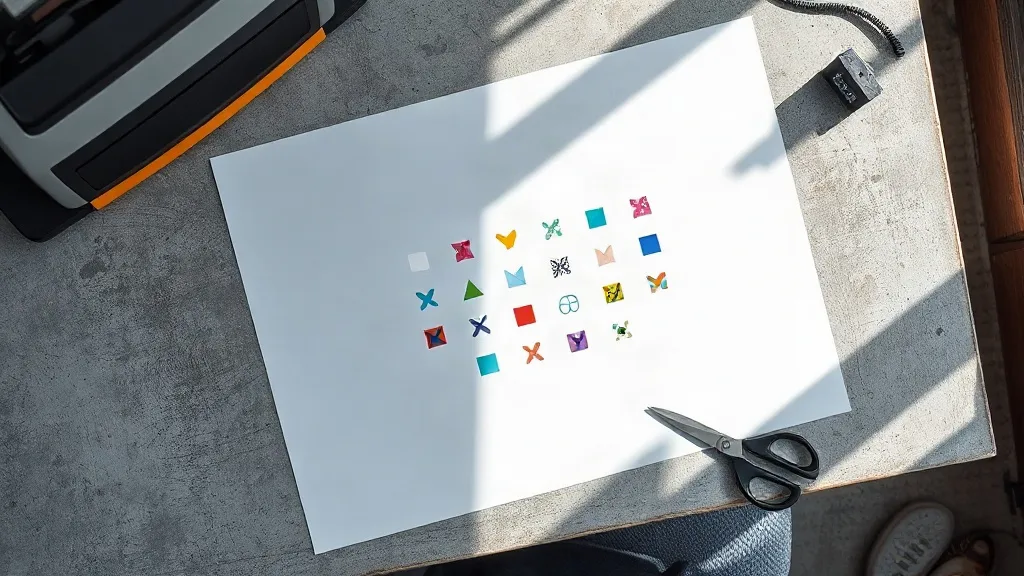
Direct-to-film printing works by printing a design onto a special film, powdering it with adhesive, curing it, and then heat pressing it onto fabric. A gangsheet is simply the practice of arranging multiple designs on one large film sheet so that a single print job covers several orders at once.
The economics are straightforward. Film, powder, and printer time are fixed costs per sheet, so the more usable area you fill, the lower your cost per transfer. A shop printing one 3-inch logo per sheet is paying for a full sheet to get a fraction of the value. A shop that fills that same sheet with twelve logos across different customer orders is spreading the cost twelve ways.
The catch is that gangsheet layout is unforgiving. Once the film goes through the printer and powder station, there is no rearranging. Every gap you leave is wasted material, and every design placed too close to the edge risks a cut that clips the artwork.
Planning a Gangsheet That Doesn't Waste Film
Start With Real Dimensions, Not Guesses
The most common layout error is sizing designs by eye. A chest print that looks small on a monitor can be five inches wide in reality, and five of those stacked vertically will not fit where you assumed they would. Measure every design at its final print size, add your cut margin, and only then start placing.
Group by Ink Coverage
Heavy ink coverage areas cure differently from light ones. If you place a dense, dark block of artwork right next to a fine line design with lots of negative space, you may need to adjust your powder application or cure settings in a way that suits one and slightly overworks the other. Grouping designs with similar ink density on the same sheet makes your settings more consistent across the run.
Leave a Real Cut Margin
A margin of a few millimeters sounds generous until you are trimming by hand at the end of a long day. Give yourself room to make a clean cut, especially on designs with a defined border. Trimming into the artwork is a reprint, and reprints are the fastest way to turn a profitable sheet into a loss.
Use a Builder Instead of Manual Nesting
Manual nesting in a design program works, but it's slow and it doesn't scale. A DTF Gangsheet Builder lets you upload artwork, set dimensions, and arrange pieces on a defined sheet size with the waste area visible as you go. For shops running multiple small orders a day, the time saved on layout alone usually justifies the switch.
Why the Garment Matters as Much as the Transfer
A DTF transfer is only as good as what it sits on. The adhesive bonds to the fabric surface, and fabric behavior under heat varies enormously between a lightweight poly blend and a heavy cotton tee. A transfer that presses perfectly on one blank can look dull or fail to anchor on another.
Fabric Content and Heat Response
Cotton holds a crisp, opaque finish well and tolerates standard press temperatures. Polyester blends need lower temperatures to avoid dye migration, where the garment's dye sublimates up through the transfer and discolors it. If you handle both, keep your press settings documented per fabric type rather than adjusting by feel each time.
Where shaka wear Fits
Shops that print a high volume of streetwear-style pieces tend to care about two things beyond print quality: how the blank feels and how consistently it behaves across sizes. shaka wear blanks are built around a heavier, boxier silhouette that suits the oversized look many customers ask for, and the consistent construction across a size run means your press settings don't need to change halfway through an order. That consistency is worth more than it sounds when you're pressing twenty pieces in a row.
It's also worth sampling before committing. Press a test transfer on one blank from each size you plan to stock, wash it twice, and check the edges. A blank that looks right on the shelf but releases the transfer after a few washes is a customer service problem waiting to happen.
Common Mistakes That Quietly Cost You Money
- Printing before proofing. A low-resolution file that looks acceptable on screen can show visible pixelation once pressed. Check at 300 DPI at final print size before it reaches film.
- Ignoring film orientation. Some films have a coated side and a non-coated side. Printing on the wrong one produces a transfer that will not peel cleanly.
- Skipping the powder shake. Adhesive powder that has settled or clumped applies unevenly, which shows up as patchy adhesion weeks later.
- Pressing cold. Rushing the press cycle is the single most common cause of transfers lifting at the corners after washing.
- Not tracking yield per sheet. If you don't know your average usable area per gangsheet, you can't tell whether your layout is improving or drifting.
Building a Repeatable Workflow
The shops that get the most out of DTF tend to standardize three things: a fixed set of sheet sizes, a documented press setting for each fabric type they stock, and a layout process that doesn't depend on one person's memory. Standard sheet sizes make ordering film predictable. Documented settings mean anyone on the team can run a press without guessing. And a layout process with a visible waste area keeps costs honest.
Once those three are in place, the DTF Gangsheet Builder becomes a natural fit rather than an adjustment. You upload, you arrange, you see the waste, you adjust, you print. The loop gets faster every time you run it.
A Note on Color and Customer Expectations
DTF prints on a white adhesive layer, which means colors sit on top of the fabric rather than soaking into it. That produces vivid, opaque results, but it also means the finished print can look slightly different from a screen mockup, particularly on dark garments where the white base adds brightness. Setting that expectation before the order is confirmed saves a lot of awkward conversations later. A simple line in your order confirmation explaining that print colors may appear slightly brighter than on-screen previews covers most of it.
Frequently Asked Questions
How many designs can I fit on one DTF gangsheet?
It depends entirely on design size and sheet dimensions. A sheet filled with small left-chest logos might hold twenty or more pieces, while a sheet with full-back prints might hold four. The practical answer is to let the builder show you the remaining area as you place each design rather than estimating in advance.
Can I mix different fabric types in the same order?
You can, but press each garment according to its own fabric requirements. A cotton tee and a polyester blend should not share the same temperature and dwell time. Print the transfers together on one sheet if the layouts allow, then press them separately with the correct settings for each garment.
How long do DTF transfers last once printed?
Cured transfers stored flat, away from moisture and direct heat, generally remain usable for several months. Stacking them under heavy weight or storing them in a humid space can cause the adhesive to clump or the film to warp, both of which affect press results.
Do I need special equipment to press DTF transfers?
A heat press with controllable temperature, pressure, and dwell time is the baseline requirement. You will also need a way to peel the film cleanly, either hot or cold depending on the film type. Irons and home presses generally do not deliver the consistent pressure needed for reliable adhesion.
Is DTF suitable for small runs and one-off orders?
Yes, and this is where the method stands out. There is no screen setup cost and no minimum quantity, so a single shirt is economically viable. Gangsheet building is what makes small runs profitable at volume, since you can combine several customer orders onto one sheet instead of paying full film cost per piece.